Interdisciplinary Platforms for Biology, Chemistry, and Engineering
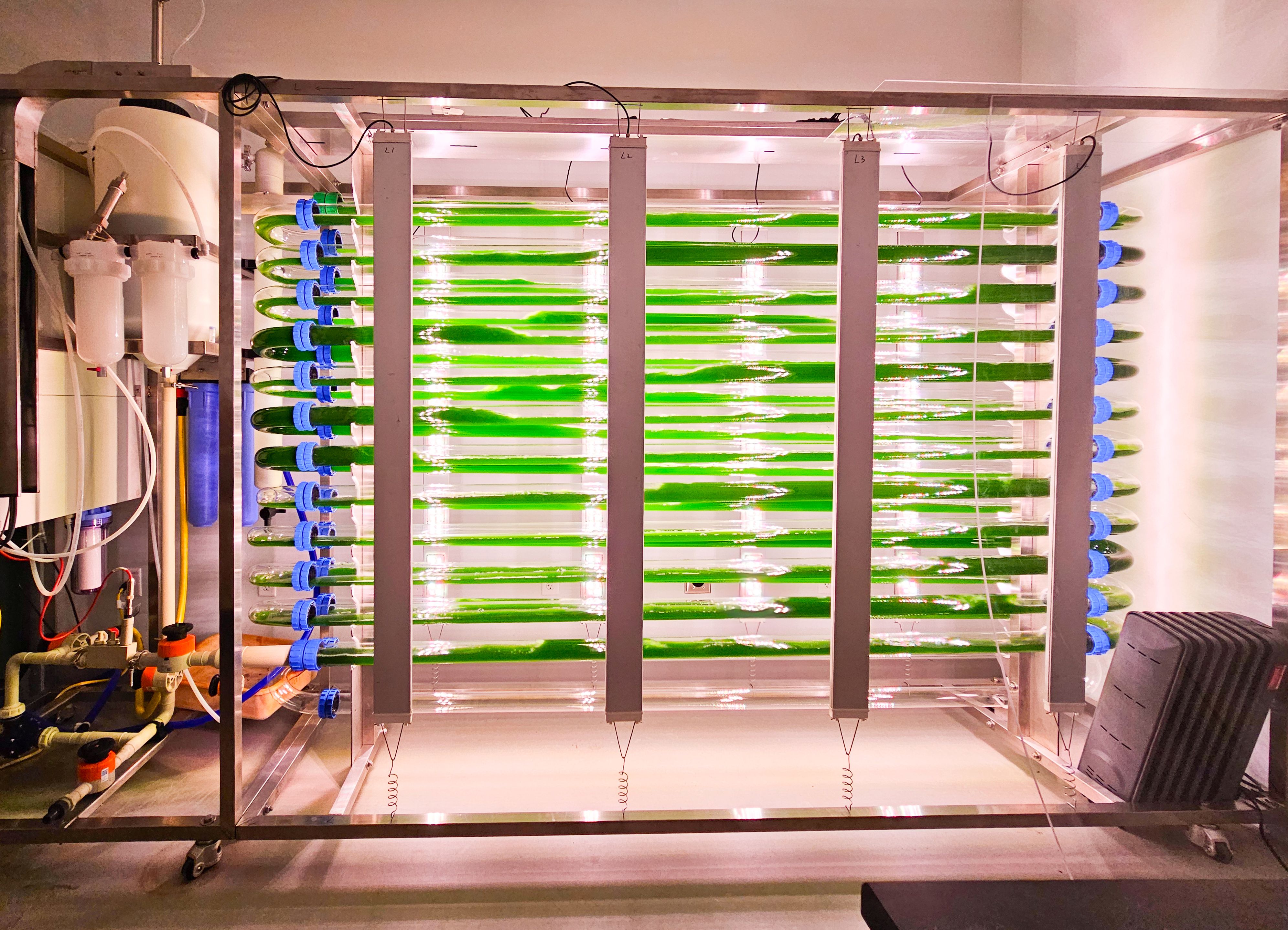
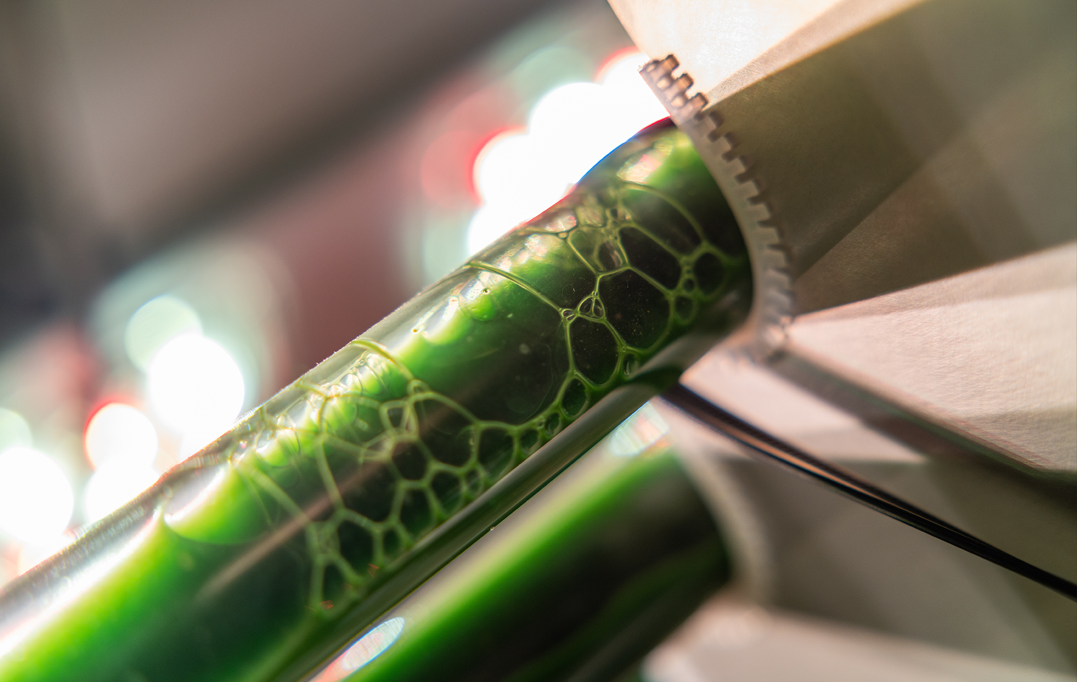
We integrate synthetic biology, material science, chemistry and engineering approaches for sustainable synthesis and remediation.
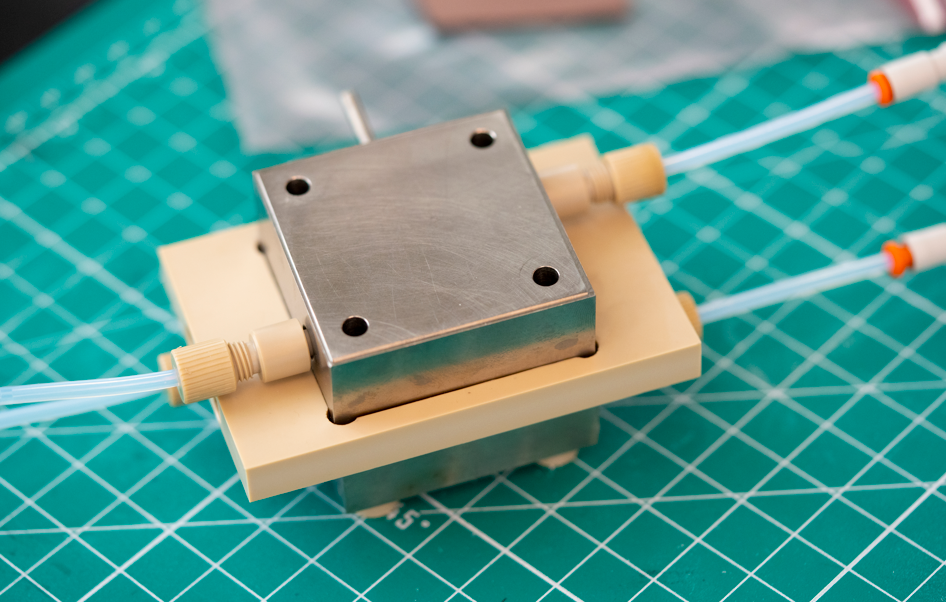
We apply multiple bio/analytical platforms and data analytics to study and understand environmental chemical impacts on the environments and human population.
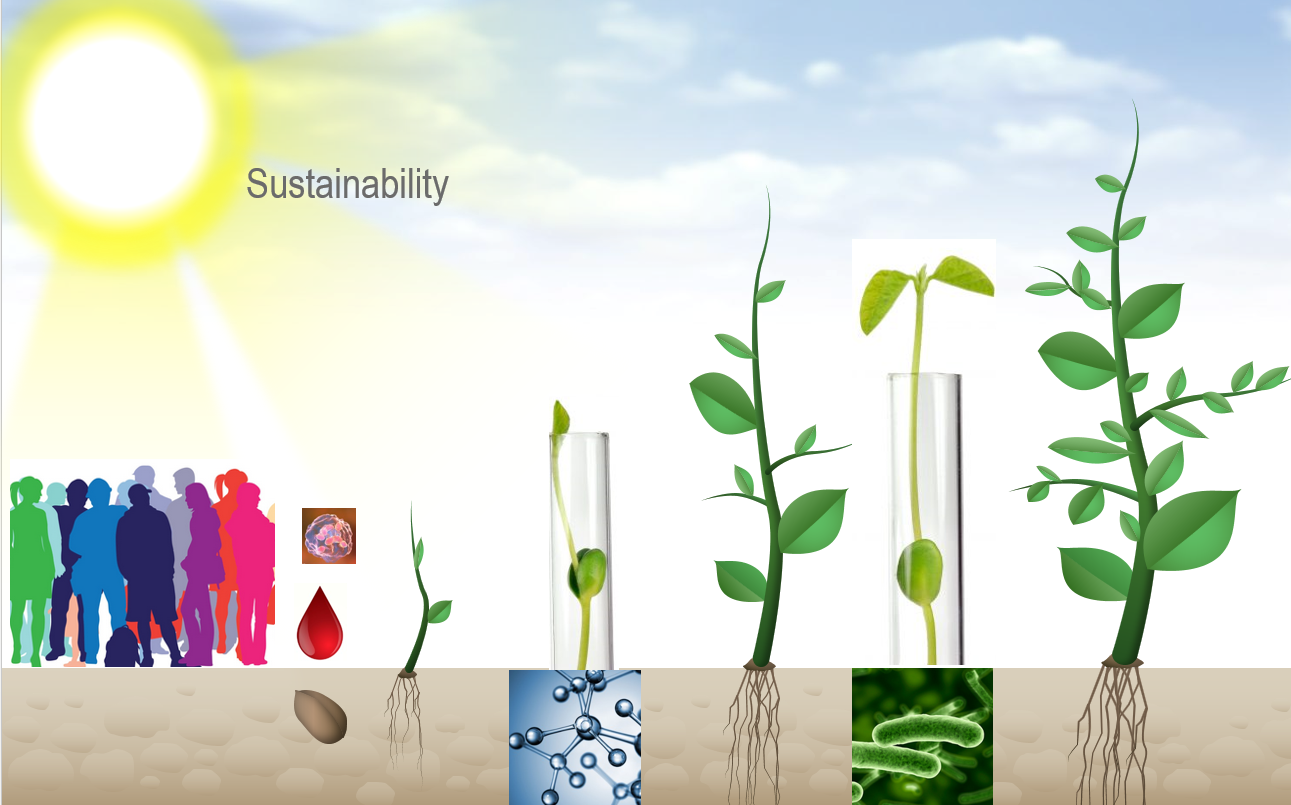
We care about our people. We outreach to communities with engineering intervention for a sustainable future.
News
September 2026. Our collaborative work on renewable carbon fiber is published in Matter (with Joshua Yuan @ WashU). By adding lignin, an abundant waste product of paper pulping and biorefining, and guiding its crystallization with carbon nanotubes, the team cut petroleum-based PAN use by half and production costs by 25%, while substantially reducing carbon emissions. The resulting fiber meets automotive industry standards for strength and stiffness, opening the door to renewable carbon fiber for cars, aircraft, and wind turbines.
February 2026. Our engineered algae for microplastic cleanup is featured by Mizzou Engineering, WashU, SciTechDaily, and other media outlets. The limonene-producing strain makes the cells water-repellent, so they clump together with microplastics and sink as easy-to-collect biomass. We are now scaling up with a 100-liter bioreactor prototype, with the goal of integrating the process into municipal wastewater treatment plants.
December 2025. Our work on using engineered cyanobacteria to remediate and up-cycle microplastics is published in Nature Communications. The engineered strain removed 91.4% of microplastics within one hour while also taking up nutrients from wastewater. The captured microplastic-rich biomass can then be up-cycled into bioplastic composite films, turning a pollutant into a useful product.
August 2025. We are very excited to have Dr. Kainan Chen join our lab as an Assistant Research Professor. Kainan is a long-time collaborator and a lead author on our CO2-to-bioplastics (Chem, 2022) and electro-biodiesel (Joule, 2024) work. He will help lead our research integrating electrocatalysis and synthetic biology for carbon upcycling.
July 2025. Our collaborative work on a degradable bioplastic film is published in Nature Communications (with Joshua Yuan @ WashU). Inspired by the layered structure of plant leaves, the LEAFF film sandwiches cellulose between bioplastic layers to boost strength, transparency, and gas-barrier performance. The film fully degrades in ambient soil within about five weeks, offering a sustainable alternative for food packaging.
June 2025. Welcome Will Thives Santos, our first graduate student at Mizzou! Will is a Mizzou graduate who is staying on as a Tiger to pursue graduate research with us. We are thrilled to have Will on the team.
November 2024. Our lab has moved to the University of Missouri, Columbia, and is now located in the Bond Life Sciences Center. Dr. Dai joined the Department of Chemical and Biomedical Engineering, continuing our work on bioremediation, carbon upcycling, and environmental health. We look forward to new collaborations across Mizzou and the state of Missouri.
October 2024. Our work on converting CO2 to biodiesel is published in Joule. By pairing a new zinc- and copper-based electrocatalyst with an engineered Rhodococcus strain, the system turns CO2 into lipids for biodiesel with 4.3% solar-to-fuel efficiency. This is about 45 times more efficient, and uses about 45 times less land, than soybean-based biodiesel. Congratulations, Kainan and the team!
Dai Lab Values
We value and welcome everyone’s unique contribution!
Think Broadly and Deeply
We strive to think broadly and deeply, implementing novel ideas that advance science.
Serve the Community
Our research serves the local community and the public.
Rigor and Reproducibility
We are dedicated to high-quality and reproducible research.
Inclusion and Collaboration
Our lab fosters an inclusive and collaborative environment.